When E-Bike Batteries Catch Fire, The Consequences Can Be Devastating

Written by Kevin McHale, Esq • September 29, 2026
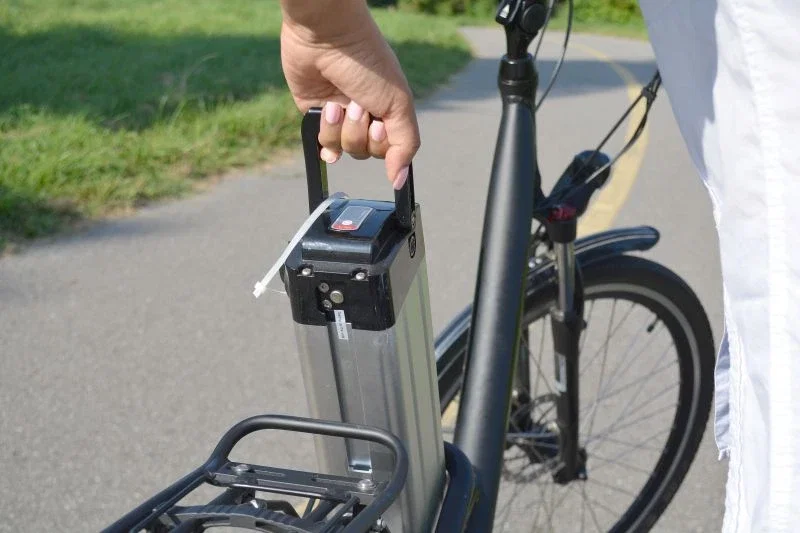
Electric bikes offer a convenient way to get around, but the lithium-ion batteries that power them can create serious safety risks when they fail. A battery fire can spread quickly, causing severe injuries, destroying property, or even resulting in death. While proper battery care can reduce some risks, a defective battery, charger, or electrical system may also be responsible when an e-bike causes a catastrophic fire.
If a defective e-bike battery or charger causes serious injuries, victims may be entitled to compensation through a product liability lawsuit.
The Dangers Of E-Bike Battery Fires
A recent fire in South Philadelphia demonstrates how quickly an e-bike battery failure can become deadly. On June 19, 2026, a fire broke out in a South Philadelphia home after an e-bike battery reportedly ignited while charging. One woman died, and a 4-year-old girl was seriously injured. Fire officials determined that the charging e-bike battery caused the blaze.
The danger comes in part from the amount of energy stored in lithium-ion batteries. When a battery is damaged or develops an internal failure, it can enter a process known as thermal runaway, causing temperatures to rise rapidly. The battery may ignite, spread fire to nearby materials, or release hazardous gases.
There are various potential causes of lithium-ion battery fires. A battery may be damaged in a crash, exposed to excessive heat or moisture, improperly charged, or paired with an incompatible charger. Problems can also originate within the product itself, including defects in the battery cells, battery-management system, charger, wiring, or other electrical components.
The U.S. Consumer Product Safety Commission has urged manufacturers, importers, distributors, and retailers of e-bikes and other micromobility devices to comply with established safety standards, warning that failures to do so can present unreasonable risks of fire, serious injury, or death.
While e-bike owners can mitigate some risks by charging and storing their batteries properly, an e-bike fire should not automatically be assumed to be the result of improper use. When a battery or charging system fails, it’s important that experts work to determine whether a defect in the product itself may have contributed to the incident.
How To Reduce The Risk Of An E-Bike Battery Fire
Safe battery practices can reduce the risk of a fire, although they cannot eliminate the possibility that a defective product could cause an unexpected failure.
E-bike owners should:
- Use the manufacturer’s charger. Do not substitute an incompatible or generic charger simply because the connector fits.
- Follow the manufacturer’s charging instructions. Avoid charging a battery overnight or when no one is available to respond if something goes wrong.
- Charge on a hard, dry surface. Keep batteries away from beds, couches, carpeting, and other combustible materials.
- Inspect the battery regularly. Do not continue using a battery that is swollen, cracked, leaking, unusually hot, or otherwise damaged.
- Pay attention after a crash. An impact can damage internal battery components even when the exterior does not appear severely damaged.
- Keep batteries away from extreme temperatures and moisture. Environmental conditions can contribute to battery failure.
- Monitor for recalls. Consumers should check whether their e-bike, battery, or charger has been recalled or is subject to a safety warning.
- Dispose of damaged batteries properly. Lithium-ion batteries should not be placed in household trash or ordinary recycling because they can ignite during disposal and processing.
When An E-Bike Fire May Be A Product Liability Case
Even when an e-bike owner follows appropriate safety precautions, a defective product can still cause catastrophic harm. Product liability claims may arise when a dangerous condition results from a manufacturing defect, defective design, or inadequate warnings or instructions.
Determining whether a product was defective requires looking beyond the burned battery. An investigation may need to examine the battery cells, battery-management system, charger, wiring, electrical connections, charging instructions, safety certifications, warnings, and the circumstances surrounding the failure.
Preserving evidence is therefore critical after an e-bike battery fire. If it is safe to do so, owners should preserve the e-bike, battery, charger, receipts, manuals, packaging, photographs, and other documentation. Damaged components should not be discarded or modified before they can be examined by appropriate experts.
If a defective e-bike or battery causes a fire, the consequences may extend far beyond the loss of the device itself. A single failure can result in severe burns, respiratory injuries, death, destruction of a home, and significant financial losses. Determining what caused the battery to fail — and whether a manufacturer, seller, or another party should be held responsible — can be an important part of protecting the rights of injured victims and their families.
Why Choose Ross Feller Casey?
When a defective product causes catastrophic injuries or property damage, determining who is responsible can be complicated. Manufacturers, distributors, retailers, and other parties may potentially bear responsibility depending on the circumstances. At Ross Feller Casey, our attorneys work with qualified experts to investigate serious injury and wrongful death cases to determine what went wrong and who should be held accountable.
If you or a loved one has been seriously injured by an e-bike battery or another defective product, contact Ross Feller Casey to discuss your legal options. We’ve won more than $3.5 billion for our clients, including hundreds of multimillion-dollar recoveries, and are ready to put our expertise to work for you.

Disclaimer: Ross Feller Casey, LLP provides legal advice only after an attorney-client relationship is formed. Our website is an introduction to the firm and does not create a relationship between our attorneys and clients. An attorney-client relationship is formed only after a written agreement is signed by the client and the firm. Because every case is unique, the description of awards and summary of cases successfully handled are not intended to imply or guarantee that same success in other cases. Ross Feller Casey, LLP represents catastrophically injured persons and their families in injury and wrongful death cases, providing legal representation in Pennsylvania and New Jersey.
Don't Wait Until It’s Too Late. Get Your Free Consultation Now.